

How to Report Counterfeit Goods to Trading Standards: A UK Guide
You spot a pair of Sennheiser Momentum headphones on a marketplace for £60 — less than half the usual retail price. The seller has good photos, the reviews look decent, and you think you’ve bagged a bargain. Then they arrive: the packaging is flimsy, the sound is tinny, and the serial number doesn’t check out. You’ve been sold fake headphones, and now you’re left out of pocket and annoyed. Here’s the thing, though — you’re not powerless. Reporting counterfeit goods to Trading Standards is one of the most effective ways to hit the sellers where it hurts, and it takes less time than you’d think.
Why Reporting Counterfeit Headphones Matters
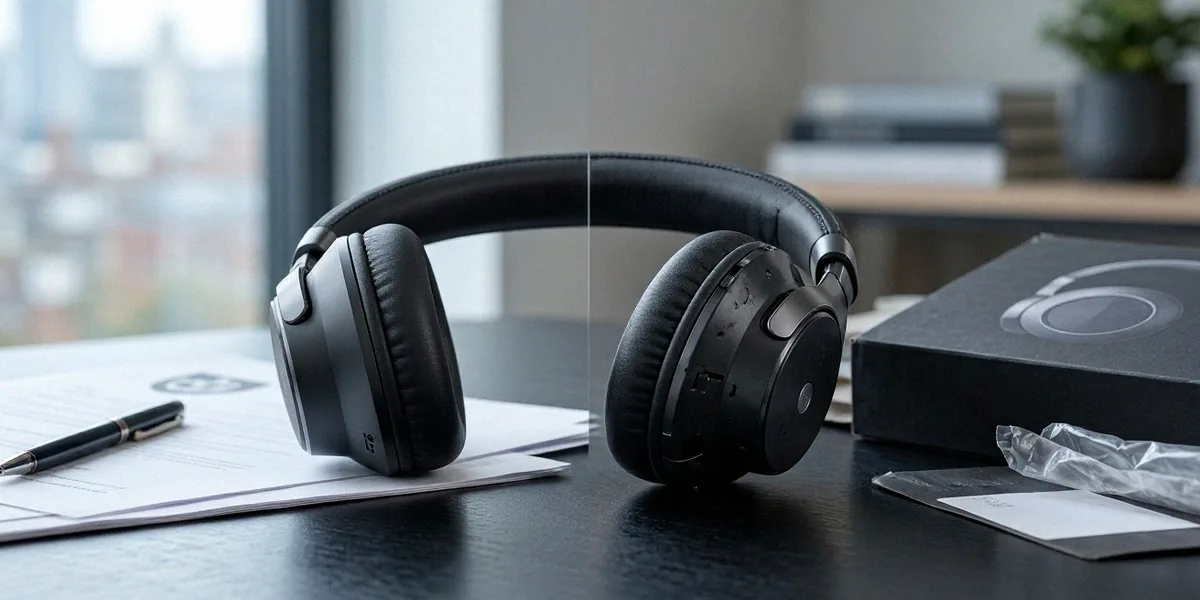
Counterfeit audio gear isn’t just a case of getting slightly worse sound. Fake headphones and counterfeit earbuds cut corners on materials, wiring, and safety testing, and that can have real consequences for the people who buy them. The more reports Trading Standards receives, the more resources get directed at the sellers flooding the UK market with fakes.
The Hidden Risks of Fake Audio Gear
When a pair of counterfeit earbuds is manufactured, nobody is checking whether the battery management system works properly or whether the cables meet UK electrical safety requirements. We’ve seen reports of fake wireless earbuds overheating during charging, and cheap soldering inside counterfeit headphones can cause shorts or even minor burns. On top of the physical risks, counterfeit earbuds often fail to deliver the noise cancellation or frequency response they claim, meaning you’re paying for a product that simply doesn’t do what it says on the box. There’s also the privacy angle: some fake Bluetooth headphones have been found to include unsecured chips that can be exploited by third parties.
How Counterfeits Hurt UK Consumers and Brands
Genuine Sennheiser and Bose products are among the most frequently counterfeited audio brands in the UK, precisely because they command premium prices and have strong reputations. When fakes flood the market, consumers who think they’re buying a genuine Sennheiser headset end up with a substandard product — and the brand’s reputation takes a hit for something it didn’t make. Legitimate UK retailers lose sales, and the Treasury loses VAT revenue. It’s a lose-lose situation for everyone except the counterfeiter.
What Trading Standards Does in the UK
Trading Standards is the enforcement arm of local council trading standards services across the UK. Each local authority runs its own team, which means the service you deal with depends on where you live or where the seller is based. Their remit covers a huge range of consumer protection work, and counterfeit goods sit firmly within it.
Trading Standards vs. Other Authorities
It’s easy to confuse Trading Standards with other bodies. The police handle criminal fraud and organised crime, while Trading Standards focuses on consumer protection and fair trading. The Consumer Protection from Unfair Trading Regulations 2008 prohibits misleading actions — including selling counterfeit goods as genuine — and gives Trading Standards the power to investigate and prosecute. Border Force handles seizures at ports, and the Intellectual Property Office coordinates wider anti-counterfeiting strategy, but for everyday reports about fake headphones sold in your local area or online, Trading Standards is your starting point.
How They Investigate Counterfeit Goods
Once a report comes in, Trading Standards officers assess whether there’s enough evidence to justify an investigation. They may carry out test purchases, inspect stock at a physical premises, or work with the brand’s legal team to verify whether goods are genuine. Where they find evidence of large-scale sales of fake Bose or counterfeit earbuds, they can seize stock, issue warnings, and in serious cases bring a prosecution. They also share intelligence with other councils and with national bodies, so a report about one seller can feed into a much bigger picture.
Step-by-Step: How to Report Counterfeit Goods
Reporting is straightforward, and you don’t need to be a legal expert to do it. Here’s how we’d approach it.
Gathering Evidence of Fake Headphones
Before you report, pull together anything that supports your case:
- Photos of the headphones, packaging, and any obvious flaws (misspelled logos, poor stitching, missing serial numbers)
- Your receipt, order confirmation email, or bank statement showing the purchase
- Screenshots of the listing, including the seller’s name and any claims they made about authenticity
- Any correspondence with the seller, especially if they refused a refund
- Notes on why you believe the item is fake — for example, a serial number that doesn’t register on the brand’s website
Submitting Your Report Online or by Phone
In England and Wales, the Citizens Advice Consumer Service is the first point of contact for reporting counterfeit goods. You can submit details via their website or call their consumer helpline, and they’ll pass the information to the relevant Trading Standards team. In Scotland, Consumer Advice Scotland handles the initial triage. If you’d rather go direct, you can search for your local council’s trading standards team and contact them yourself. For genuine Sennheiser products, you can also alert the brand through its official anti-counterfeit reporting channel — they actively track fakes and share intelligence with enforcement bodies.
What Happens After You Report
Your report is logged and assessed. If it relates to an ongoing investigation, it may be added to the existing case file. If it’s a new seller, officers will decide whether to pursue it based on the scale of the operation and the evidence available. You may be asked for further information, though many reports are processed without any follow-up contact.
Reporting Counterfeit Earbuds Sold Online
Most counterfeit headphone sales now happen online, and the major platforms have their own reporting mechanisms. Using them alongside a Trading Standards report gives you the best chance of getting the listing removed.
Reporting to the Platform First
Online marketplaces like Amazon and eBay have dedicated reporting tools for counterfeit earbuds and other fake goods. On Amazon, use the “Report incorrect product information” link on the listing, or contact Seller Support directly. On eBay, use the “Report item” button and select “Counterfeit item” as the reason. Facebook Marketplace has a reporting option within each listing. Include your evidence — photos and receipts — and be specific about why the item is fake. Platforms act faster when the report is detailed.
Involving Trading Standards for Online Sellers
Platforms can remove listings, but they can’t prosecute sellers. That’s where Trading Standards comes in. If the seller is UK-based, report them through Citizens Advice or your local council. Trading Standards can work with platforms to obtain seller details and, where warranted, take enforcement action. For sellers based overseas, the picture is more complicated, but reports still help build a picture of which platforms and regions are being used to target UK consumers.
What to Expect After You Report
It’s worth being realistic about what happens next. Trading Standards teams are stretched, and not every report leads to immediate action. That doesn’t mean your report was wasted — far from it.
Timelines and Communication
You may not hear anything back at all. Trading Standards doesn’t typically provide updates to individual reporters, partly because investigations can take months and partly because of data protection rules. If your report contributes to a prosecution, you might be contacted as a witness, but this is relatively rare. Don’t be discouraged by the silence — your report is still on file and still useful.
How Your Report Makes a Difference
Every report adds to the evidence base. A single complaint about fake headphones might not trigger an investigation, but ten complaints about the same seller almost certainly will. Trading Standards uses patterns of reports to prioritise resources, and your experience could be the one that tips the balance. Reports also help identify which brands are being targeted most — genuine Sennheiser and Bose products consistently feature high on that list.
Other Ways to Fight Counterfeits in the UK
Reporting to Trading Standards is the most direct route, but there are other things you can do to push back against counterfeit earbuds and fake headphones.
Alerting the Brand
Sennheiser and Bose both run anti-counterfeit programmes and welcome reports from consumers. Sennheiser has an online form for reporting suspected fakes, and Bose encourages customers to contact them directly if they suspect a product isn’t genuine. Brands can pursue civil action against counterfeiters and often share intelligence with Trading Standards and Border Force.
Spreading Awareness in Your Community
Leave honest reviews on the platform where you bought the item, warning other buyers. Post about your experience in local Facebook groups or on forums like Reddit’s r/headphones. Word of mouth is powerful — a well-written warning can stop dozens of people from making the same mistake. And when you’re buying audio gear, stick to authorised UK retailers. If a deal looks too good to be true, it almost certainly is.
Frequently Asked Questions
Do I need to report to Trading Standards or Citizens Advice first?
In England and Wales, the Citizens Advice Consumer Service is the first point of contact. They’ll log your report and pass it to the relevant Trading Standards team. In Scotland, contact Consumer Advice Scotland. You can also approach your local council’s trading standards team directly if you prefer.
Can I get a refund if I’ve bought fake headphones?
Yes — under the Consumer Rights Act 2015, goods must be as described. If you were sold counterfeit headphones described as genuine, you’re entitled to a refund. If the seller refuses, you can pursue a chargeback through your bank or card provider, or take the matter to small claims court.
Will Trading Standards tell me the outcome of my report?
Usually not. Trading Standards doesn’t provide individual updates due to data protection and resource constraints. However, your report remains on file and contributes to intelligence that shapes future investigations.
What if the seller is based outside the UK?
Reporting is still worthwhile. Trading Standards can work with international partners and platform providers, though enforcement is harder. At minimum, your report helps identify patterns and may lead to the listing being removed.
How can I check if Sennheiser or Bose headphones are genuine?
Both brands offer serial number verification tools on their official websites. Check the packaging for holographic stickers, verify the serial number online, and compare the build quality against official product photos. If in doubt, buy from an authorised UK retailer.
Reporting counterfeit goods to Trading Standards is a small action with a big impact. It protects UK consumers from dodgy wiring and disappointing sound, helps genuine brands like Sennheiser and Bose defend their reputations, and makes life harder for the people profiting from fakes. Next time you suspect you’ve been sold counterfeit headphones, take ten minutes to file a report — it’s a civic duty that keeps the UK audio market honest.